
When a fire sweeps through a West Palm Beach home, the aftermath can feel disorienting and overwhelming. In those first crucial moments, homeowners must shift from shock to action, prioritizing safety and beginning the path toward recovery. Fire Damage Cleanup West Palm Beach is not just a service—it’s a lifeline that restores more than walls and floors. With emergency fire response efforts already in motion, understanding essential fire damage safety steps sets the stage for efficient, thorough restoration.
What Should a Homeowner Do Immediately After a Fire in West Palm Beach?
After the last flame is extinguished, the temptation is to rush back inside and assess the damage. However, homeowners in West Palm Beach must first wait for clearance from fire officials to re-enter safely. Emergency fire response teams use thermal imaging cameras to detect hidden hotspots, ensuring the structure is stable before allowing anyone inside. Jumping in too soon risks exposure to toxic smoke residues, weakened structural elements, or rekindled embers.
Once authorities grant access, it’s critical to document the damage thoroughly. Homeowners should take clear photographs and videos of each affected room—from charred beams to waterlogged carpeting. This visual record plays a pivotal role when filing an insurance claim, speeding up approvals for both temporary accommodation and reconstruction costs. Even small details, like soot patterns on walls or warped baseboards, can influence coverage decisions.
As local fire departments and inspection units wrap up their reports, the homeowner’s focus shifts to immediate fire safety steps. Ventilating the property by opening windows can help dissipate lingering smoke odor, while using industrial-grade air scrubbers and HEPA filters mitigates airborne soot particles. These early actions not only improve indoor air quality but also minimize secondary damage, such as mold growth from firefighting water.
Finally, establishing a clear communication line with an experienced restoration specialist ensures homeowners don’t navigate recovery alone. A reliable professional will guide them through structural assessments, moisture testing, and strategic planning for board-up, roof tarping, and debris removal. With those foundations in place, the journey from devastation to renewal becomes organized and manageable. You can explore our services for more information.
Why Is Immediate Fire Damage Cleanup West Palm Beach Crucial?
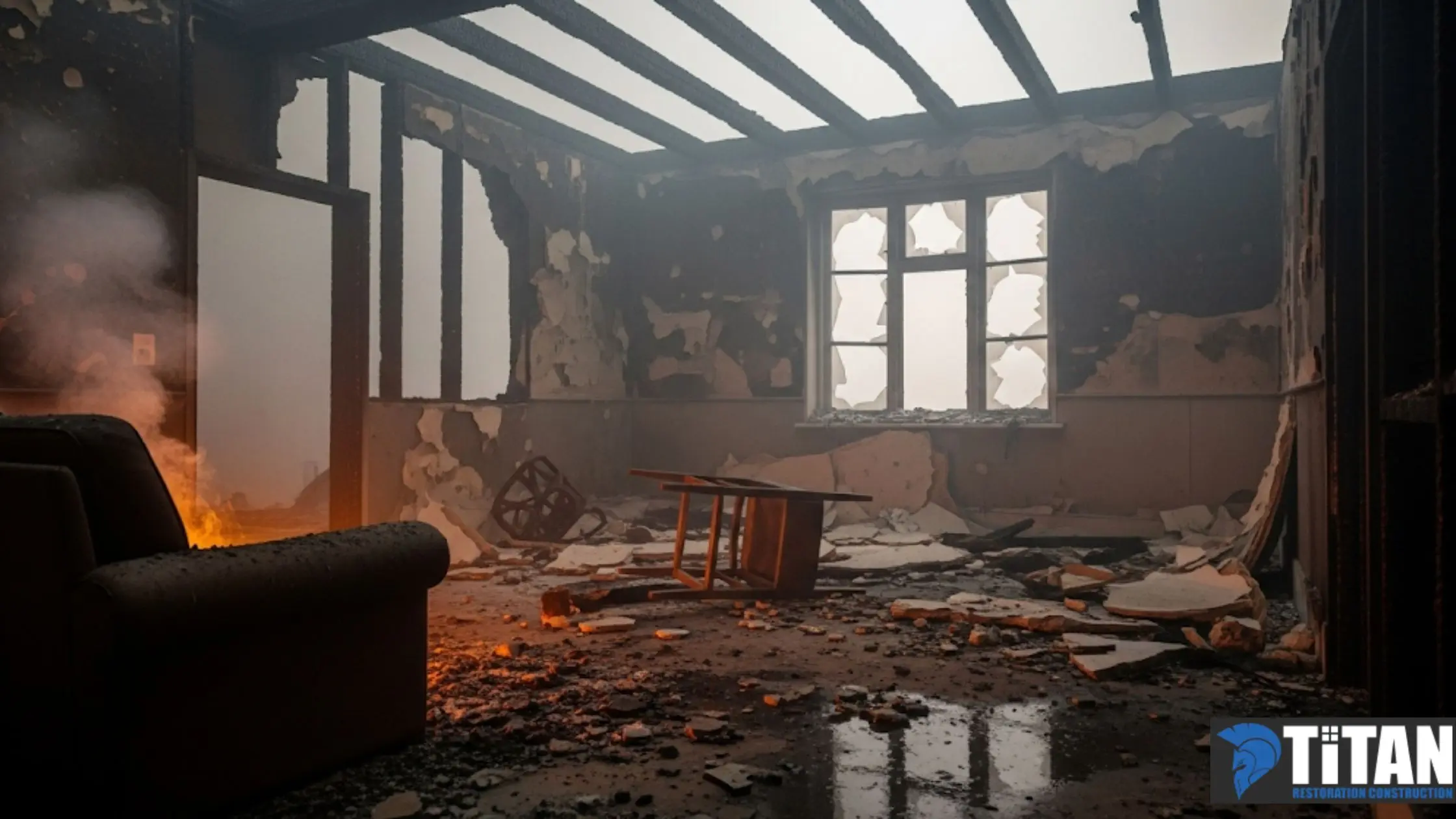
Fire Damage Cleanup West Palm Beach is more than a cosmetic fix—it’s a comprehensive process that addresses safety, health, and structural integrity. Fire professionals understand that untreated soot, smoke residues, and water intrusion can accelerate deterioration. When restoration begins promptly, the risks of long-term damage drop significantly, preserving as much of the original property fabric as possible.
First, rapid cleanup prevents corrosion and staining. Soot is highly acidic, aggressively eating into metal fixtures, wiring, and electronic components. In West Palm Beach’s humid climate, moisture from fire hoses exacerbates this process, creating a hostile environment for building materials. Early intervention halts the chemical assault, protecting cabinets, appliances, and HVAC systems from irreversible harm.
Second, fast action reduces health hazards. Smoke infiltration penetrates porous surfaces—drywall, upholstery, and textiles—trapping toxic compounds like polycyclic aromatic hydrocarbons (PAHs). These residues aggravate allergies, trigger respiratory issues, and carry carcinogenic potential if left unchecked. Specialized equipment such as ozone generators and hydroxyl units eliminate stubborn odors and neutralize airborne contaminants before they settle.
Third, swift cleanup streamlines insurance interactions. Documenting damage, securing the site against further loss, and beginning preliminary repairs demonstrate proactive stewardship. Insurers often look favorably on policyholders who mitigate risks and engage certified restoration teams; this can lead to faster claim settlements and more comprehensive coverage. In a region prone to intense weather and seasonal hurricanes, having a documented, stabilized structure also aids in qualifying for additional relief programs.
By investing in immediate restoration, homeowners protect their property values and reduce future liabilities. Professional cleanup services combine advanced decontamination methods, moisture control techniques, and meticulous structural inspections. The result is a safe, stabilized environment where the next phases of rebuilding and interior rehabilitation can proceed without unexpected setbacks.
How to Ensure Safety During Emergency Fire Response
During the firefighting phase, multiple hazards converge—flames, smoke, structural collapse, and water runoff. Ensuring safety for residents and responders demands clear protocols and situational awareness.
Waiting for Official Clearance
Only enter the property once fire officials, structural engineers, or building inspectors confirm it’s safe. They assess load-bearing walls, compromised roofing, and electrical hazards before issuing a “green light” for re-entry.
Protective Gear and Equipment
First responders and restoration specialists wear full personal protective equipment (PPE): respirators rated for smoke particulates, flame-retardant jackets, and steel-toed boots. Homeowners gearing up to assess damage should at least don N95 masks, thick gloves, and eye protection.
Monitoring Air Quality
Smoke inhalation remains a top concern even after flames are out. Portable air quality monitors help detect dangerous levels of carbon monoxide or volatile organic compounds (VOCs). If readings spike, evacuate immediately and ventilate.
Turning Off Utilities
Before stepping inside, shut off gas, electricity, and water at the main valves. Even with power lines down or circuits tripped, residual currents can electrify water-soaked floors. Turning off utilities eliminates the risk of electrocution or gas leaks.
What Does the Fire Damage Assessment Process Involve?
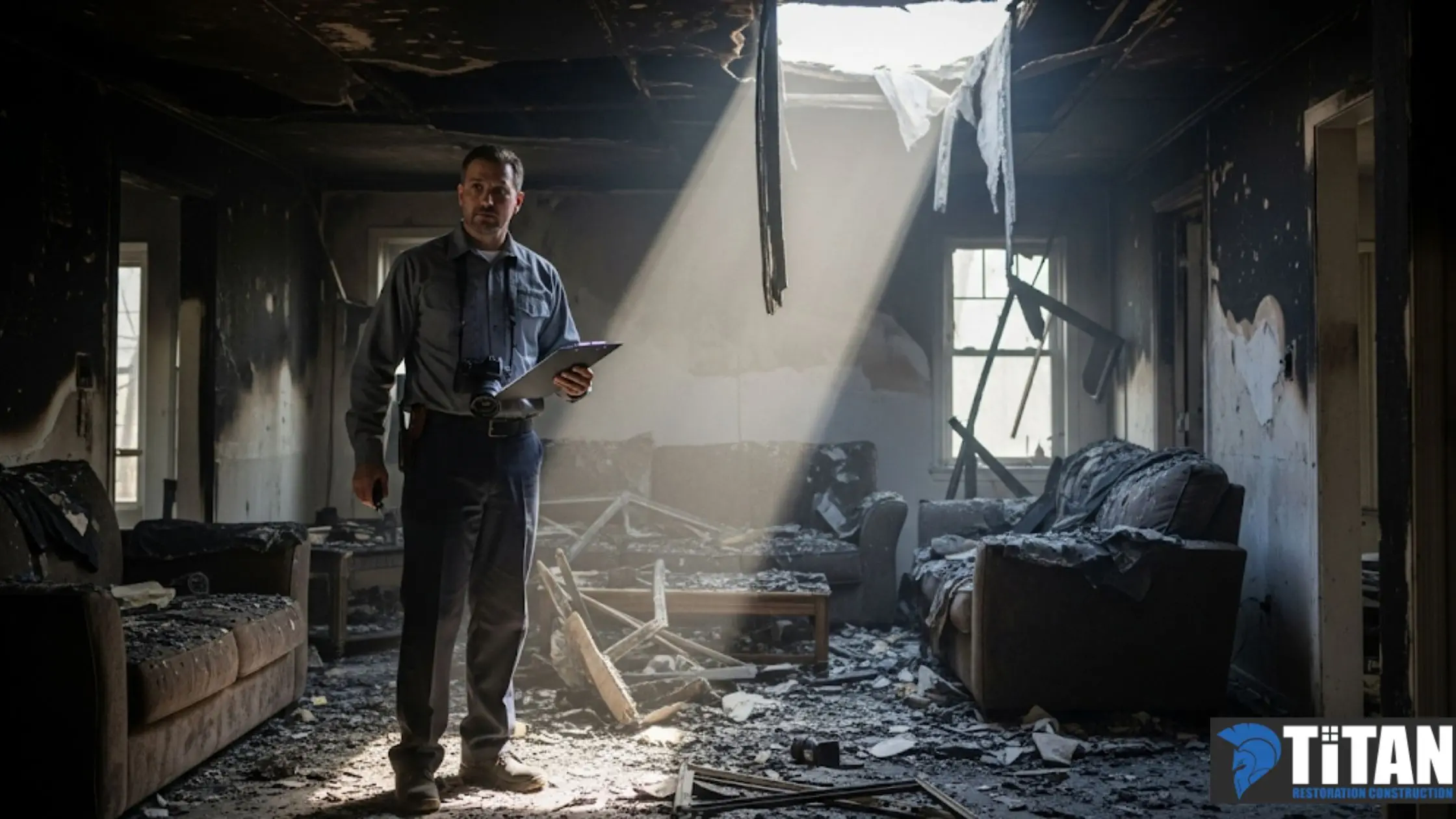
A thorough damage assessment maps out the full scale of restoration work, guiding both scope and budget. In West Palm Beach, where local building codes and climatic factors influence recovery, specialists follow a multi-phase evaluation.
Initial Walkthrough and Scoping
Restoration experts conduct a room-by-room inspection, identifying structural failures, fire origin points, and areas of intense smoke infiltration. They note compromised load-bearing beams, melted wiring, and blurred paint lines that hint at hidden heat exposure.
Moisture Testing and Water Mapping
Areas drenched by firefighting efforts harbor unseen moisture pockets behind walls and under flooring. Technicians use moisture meters and infrared cameras to create a water map, marking zones at risk for mold and structural rot.
Soot and Smoke Residue Analysis
Different types of soot—dry, greasy, or protein-based—require distinct cleaning approaches. Lab tests determine the chemical composition, guiding choices between dry sponges, specialized detergents, or soda blasting.
Structural and Safety Reports
Structural engineers may join the assessment team for severe fires, issuing formal reports on load capacities, roof integrity, and necessary permits. These documents are critical for insurance and local permitting offices.
Cost Estimation and Timeline Projection
With data on damage severity and necessary remediation techniques, restoration companies draft detailed proposals. Homeowners receive itemized estimates covering debris removal, board-up and roof tarping, smoke odor removal, and reconstruction phases.
How to Start Recovering From Fire Damage in Your Home
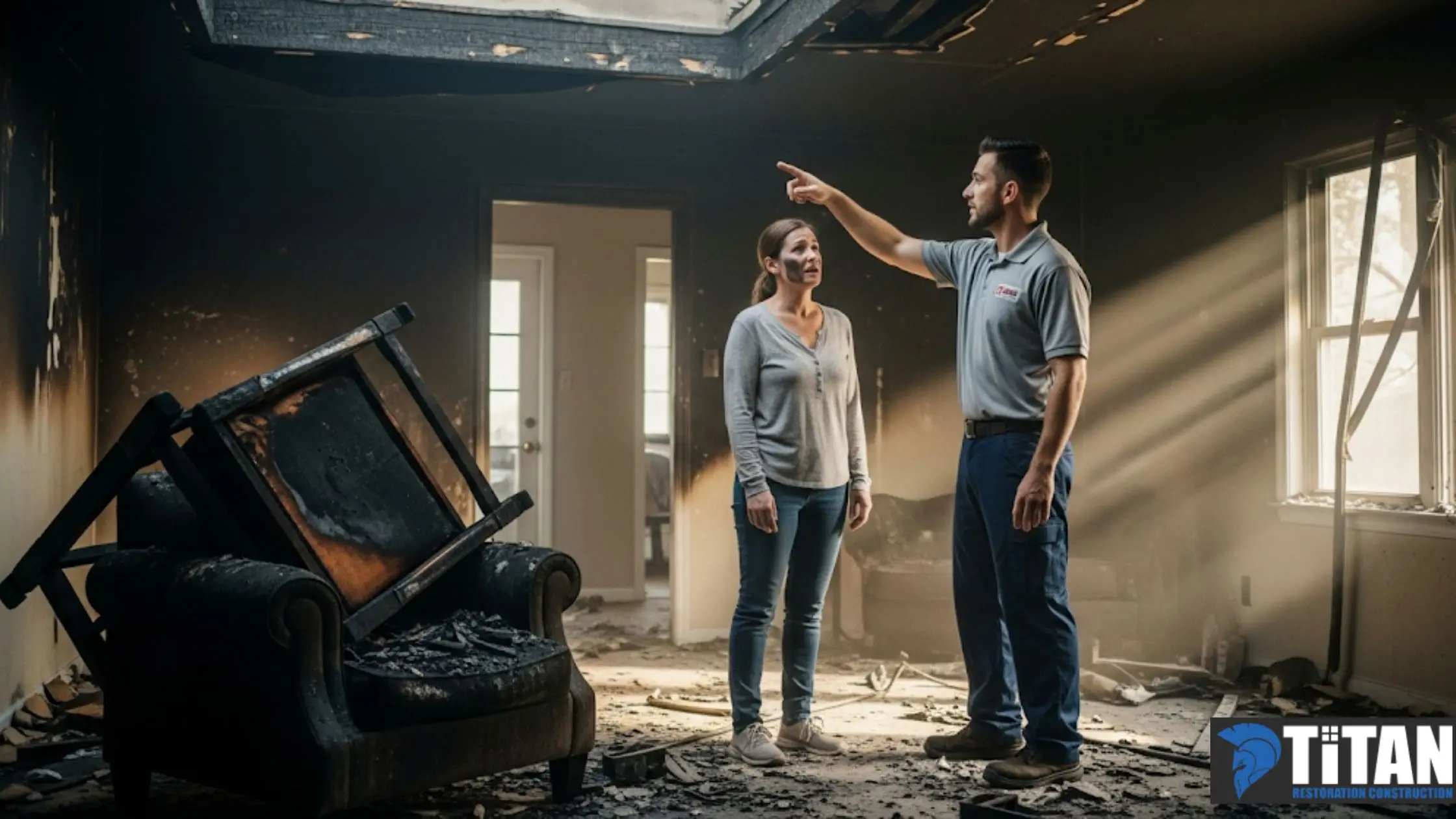
Once the damage assessment is complete, homeowners can tackle the cleanup and restoration in clear, sequential steps. Proper prioritization ensures each stage builds upon the previous one.
Secure the Property
Board-up windows and install roof tarps to shield the interior from rain and trespassers. This quick action prevents further water damage, vandalism, and wildlife intrusion.
Debris Removal and Demolition
Specialized crews clear out charred materials—insulation, drywall, and ruined furnishings—while carefully preserving any salvageable items. Debris is sorted, packaged, and transported to licensed disposal sites.
Deep Cleaning and Decontamination
Using industrial vacuums with HEPA filters, cleaners remove loose soot. They then apply chemical sponges, dry cleaning solvents, or soda to embedded residues. Ozone treatments and hydroxyl generators neutralize odors at the molecular level.
Drying and Dehumidification
Deploying desiccant dehumidifiers and air movers, professionals extract moisture and accelerate drying. Continuous monitoring ensures humidity stays below the mold growth threshold of 60%.
Structural Repairs and Rebuilding
Carpenters, electricians, and plumbers collaborate to restore load-bearing components, rewire circuits, and replace plumbing lines. At each milestone, inspections verify compliance with Florida building codes.
Final Cosmetic Restoration
Paint teams match existing color palettes, flooring specialists install hardwood or tile, and designers help homeowners select finishes. Final walkthroughs confirm the home is fully habitable and meets original specifications.
Summary of Restoration Phases
| Phase | Key Activities | Typical Duration |
|---|---|---|
| Assessment & Documentation | Damage mapping, photography, lab tests | 1–2 days |
| Securing & Demolition | Board-up, tarping, debris removal | 2–4 days |
| Cleaning & Decontamination | Soot removal, odor control, structural cleaning | 3–5 days |
| Drying & Moisture Control | Air drying, dehumidification, humidity monitoring | 2–4 days |
| Reconstruction & Finishing | Framing, electrical, plumbing, painting | 1–4 weeks |
How Can Professional Restoration Services Help?
Navigating fire recovery alone is daunting; professional restoration teams streamline every step. Experienced providers bring specialized equipment, certified technicians, and local knowledge of West Palm Beach regulations.
First, they leverage advanced technology—infrared thermography, industrial dehumidifiers, and negative air machines—to perform efficient, thorough remediation. These tools uncover hidden damage and expedite cleanup far beyond what consumer-grade equipment can achieve.
Second, certified technicians follow Institute of Inspection, Cleaning and Restoration Certification (IICRC) standards, ensuring safe handling of hazardous materials. Whether it’s asbestos in old insulation or lead-based paint on trim, they mitigate health risks while maintaining environmental compliance.
Third, full-service firms coordinate insurance communications. By crafting detailed scope reports and cost breakdowns, they minimize disputes and accelerate approvals. Homeowners spend less time negotiating with adjusters and more time focusing on personal recovery.
Finally, comprehensive restoration providers manage every trade—from carpenters and electricians to painters and landscapers. This single-point accountability reduces scheduling conflicts and guarantees quality control, so homes in West Palm Beach return to a pre-loss condition seamlessly.
Homeowners concerned about preventing future incidents can explore House Fire Causes & Prevention Tips for a deeper understanding of fire-safe practices in coastal climates.
When questions arise or immediate assistance is needed, families are encouraged to Contact us to arrange a fast on-site evaluation and begin the recovery process without delay.
Frequently Asked Questions
- How long should I wait to re-enter my home after a fire?
Homeowners should only re-enter after fire officials or structural inspectors give clearance. This typically occurs within a few hours to a full day, depending on fire severity and stability.
- Will my homeowner’s insurance cover all restoration costs?
Most policies cover structural repairs, debris removal, and temporary housing, but they may exclude certain upgrades or damaged personal items above policy limits. Reviewing your coverage and deductibles with your insurer is essential.
- Can I perform smoke odor removal myself?
Small incidents may allow for DIY cleaning, but professional odor control—using ozone or hydroxyl generators—yields more reliable results, particularly for deep-seated smoke infiltration in walls and ductwork.
- What items can be salvaged after a house fire?
Metal fixtures, ceramic dishes, and some textiles may be salvageable with professional cleaning. Irreplaceable items like family photos or heirlooms might require specialized document restoration or art conservation services.
- How soon can rebuilding start after cleanup?
Reconstruction often begins once drying and decontamination are complete, generally within one to two weeks. Permit approvals and contractor scheduling also influence start dates.
Final Words
Recovering from a home fire in West Palm Beach demands rapid, knowledgeable action across safety, cleanup, and rebuilding phases. From initial emergency fire response to the final coat of paint, each step protects both property and peace of mind. When a homeowner seeks reliable restoration, partnering with seasoned experts brings structure and support back into lives disrupted by disaster.
In the journey from chaos to comfort, nothing matters more than entrusting each phase to professionals who understand local needs and possess state-of-the-art equipment. For residents facing the challenges of post-fire recovery, comprehensive Fire Damage Cleanup West Palm Beach services ensure every detail—from moisture mapping to smoke odor removal—is handled with precision.
Choosing the right restoration partner transforms an overwhelming ordeal into a clear, guided process. Through meticulous planning, advanced technologies, and dedicated customer care, families in West Palm Beach can rebuild stronger than before. When the time comes to restore both home and hope, remember that Titan Rebuild stands ready to lead every step of your recovery journey.
Feel confident that your home will be safe, sound, and fully restored—contact Titan Rebuild today to begin the transformation.
0 Comments