
When homeowners in South Florida face the daunting aftermath of a blaze, understanding the root triggers can be the first step toward true recovery. From cooking mishaps to aging electrical systems, local experts stress the importance of identifying common fire hazards before they ignite. For anyone navigating the complexities of property restoration, Fire Damage Cleanup West Palm Beach offers more than surface‐level fixes: its specialists guide residents through cleanup, mitigation, and future-proofing against recurrent threats. This post examines why fires start, how to safeguard your home, and when to call on professional help to ensure safety, efficiency, and peace of mind in Palm Beach County.
What causes a home fire?
Fire Damage Cleanup West Palm Beach professionals agree that most residential fires originate from preventable scenarios. Whether a small spark erupts into a kitchen conflagration or an overloaded outlet ignites nearby fabrics, the key to minimizing destruction lies in early recognition of risk. In a region where high humidity can mask electrical faults and coastal breezes fan accidental flames outdoors, local conditions compound the dangers. By pinpointing specific causes—ranging from cooking accidents to smoking materials—residents can take targeted measures to avert disasters and safeguard loved ones.
Cooking and Kitchen Accidents
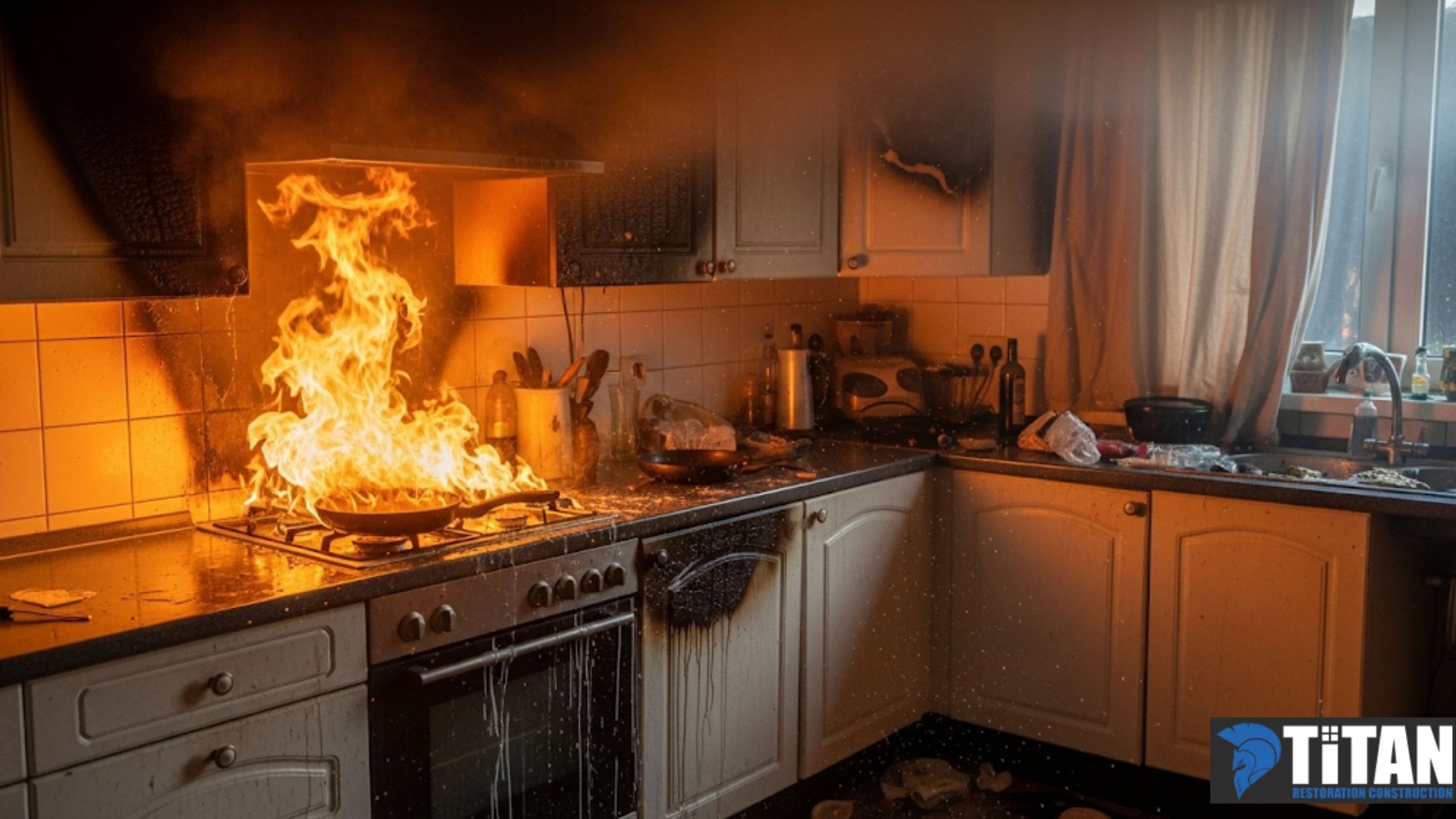
Homes rank cooking fires as the leading source of residential blazes nationwide. In West Palm Beach, summer gatherings and holiday feasts only heighten the risk. Grease splatters on active burners can instantly flare up, while unattended pots rapidly reach ignition temperature. Even simple tasks like toasting bread or simmering sauces warrant vigilant attention and a mounted fire extinguisher within reach. By clearing combustible items away from stovetops, avoiding loose clothing, and never leaving the kitchen unattended, homeowners can drastically reduce the chance of a cooking‐related catastrophe.
Electrical System Failures
Old wiring, overloaded circuits, and DIY electrical modifications top the list of fire starters in South Florida residences. Salt‐laden air accelerates corrosion inside outlets and junction boxes, leading to short circuits that can glow unseen behind walls. Extension cords used as permanent wiring frequently overheat under constant load. Understanding local building codes, scheduling periodic inspections by licensed electricians, and replacing frayed cords are critical steps. Installing arc‐fault circuit interrupters (AFCIs) in bedrooms and living areas provides an extra safety net, cutting power at the first sign of errant current.
Heating Equipment Malfunctions
Whether running space heaters during cooler winter nights or employing ceiling fans year‐round, heating and cooling appliances can spark when neglected. Space heaters left too close to curtains, furniture, or bedding account for a sizable portion of fires after cooking incidents. Filters clogged with dust increase strain on HVAC systems, causing motors to overheat. Annual maintenance, proper clearance around portable units, and selecting models with tip-over and overheating protection help curb the threat. In a region prone to sudden temperature swings, proactive care of heating equipment is non‐negotiable.
Smoking and Candle Incidents
Although smoking rates have declined, careless handling of cigarettes still contributes to severe residential fires. Ashtrays overturned on carpets or balconies adorned with decorative pillows become fuel for smoldering materials. Candles, popular for creating a coastal ambiance, ignite more than 8,000 house fires nationally each year—often on festive days like New Year’s Eve and Christmas. Dripping wax can lap onto flammable surfaces, while unattended flickering flames spread rapidly when near linens or wall coverings. Opting for flameless LED candles and establishing strict smoking areas can sharply cut these risks.
Outdoor and Uncommon Sources
In West Palm Beach’s climate, outdoor grilling mishaps and lightning strikes occasionally lead to home ignition. Propane leaks and faulty connections at barbecue pits cause unexpected explosions. Debris buildup under decks can smolder after bonfire-related embers drift too close. Rarely, chemical reactions in improperly stored cleaning solvents or paint thinners trigger internal combustion. Arborists trimming palm fronds with gas-powered tools sometimes overlook flammable resin pooling on surfaces. Recognizing both common and obscure ignition points empowers homeowners to address every angle of fire prevention.
How can homeowners in West Palm Beach prevent house fires?
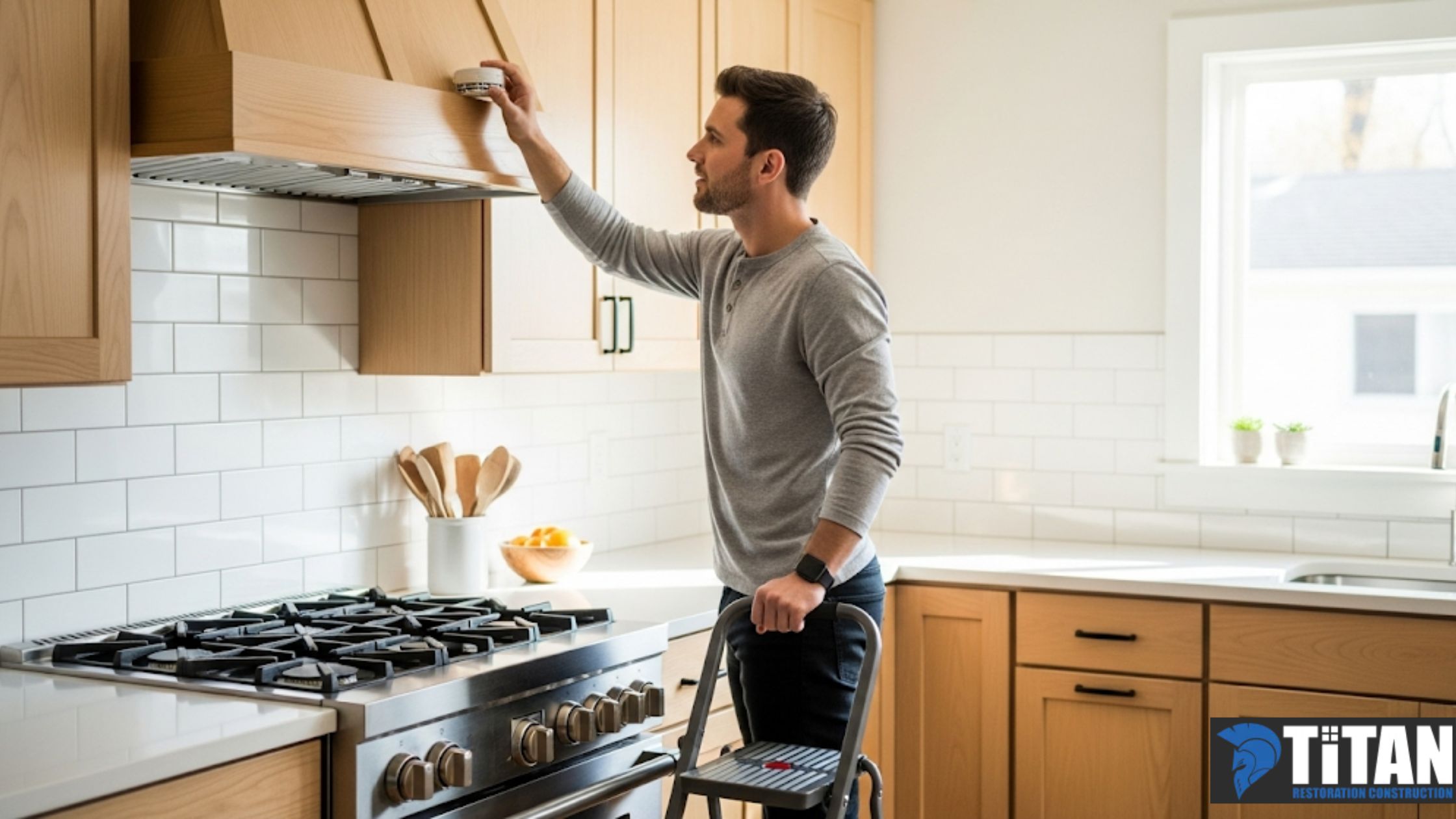
Preventing house fires begins with a clear, practical strategy tailored to local conditions. Adopting fire safety tips West Palm Beach experts recommend—such as scheduling routine inspections, maintaining open lines of communication among family members about emergency procedures, and investing in quality protective devices—lays a strong foundation. West Palm Beach’s blend of coastal salt air and inland heat demands extra vigilance for corrosion and moisture‐related electrical faults. Homeowners can merge standard nationwide guidelines with region-specific adjustments to create a resilient defense against accidental flames.
Proper use of appliances, attentive cooking habits, and fortified wiring are simply the starting point. A comprehensive approach blends human behavior modifications with hardware upgrades, ensuring the household environment actively discourages ignition. By applying targeted measures—like enforcing no-smoking policies indoors, storing flammable liquids in ventilated outdoor cabinets, and teaching children never to touch a flame—families can transform reactive cleanup into proactive safety.
| Common Fire Hazard | Risk Level | Prevention Measure |
|---|---|---|
| Grease fires in the kitchen | High | Keep a metal lid nearby; never leave stovetop alone |
| Frayed or overloaded electrical cords | High | Replace cords; install AFCIs in key areas |
| Space heaters near combustibles | Medium–High | Maintain 3 ft clearance; use tip-over protected units |
| Unattended candles or cigarettes | Medium | Switch to LED candles; designate ashtray zones |
| Outdoor grill propane leaks | Low–Medium | Inspect connections; store tanks upright outdoors |
Which fire prevention tools are most effective in Florida homes?
In the battle against unplanned blazes, a homeowner’s toolkit extends beyond smoke alarms. Multifaceted systems—combining detection, suppression, and alert—offer layered safeguards that sharply reduce response time. Modern smoke detectors equipped with both ionization and photoelectric sensors catch smoldering embers and fast-moving flames. Wireless interconnected units ensure that if one alarm registers smoke in the garage, it wakes the entire household instantly. For added protection, homeowners should consider heat detectors in kitchens and garages, where nuisance alarms might otherwise lead occupants to disable devices.
Fire extinguishers rated for ordinary combustibles and electrical fires (Class ABC) represent the first line of active suppression. Mounted at accessible heights near potential ignition points, they enable a swift reaction to small flares before escalation. Regular visual checks and annual servicing ensure they remain fully charged and operational. Sprinkler systems, once reserved for commercial properties, are gaining traction in upscale Florida residences. Even a single sprinkler head can control a growing fire, buying precious minutes until the fire department arrives.
When should residents call on Fire Damage Cleanup West Palm Beach professionals?

Homeowners often wrestle with the decision of tackling post-fire restoration themselves or engaging specialists. While minor scorch marks and superficial soot might appear manageable, hidden threats often lurk beneath the surface. Fire Damage Cleanup West Palm Beach teams bring expertise in advanced diagnostics, locating smoke penetration behind drywall, neutralizing acidic soot residues, and remediating water damage from firefighting efforts. Attempting DIY cleanup without proper equipment risks inhalation of toxic particles, permanent staining, or structural weakening. For further assistance, check the fire damage cleanup checklist.
Immediate professional intervention proves crucial when:
- Smoke odors persist after airing out the home.
- Walls and ceilings show signs of soot beyond washable areas.
- Insurance claims require detailed damage assessments.
- Mold growth emerges on damp surfaces following sprinkler or hose water exposure.
By contacting qualified restoration experts, homeowners avoid the pitfalls of incomplete cleanup and ensure their property returns to a safe, habitable state. To start the process, simply Contact us and arrange a thorough inspection that addresses odor, structural stability, and long-term health safety.
Challenges unique to West Palm Beach properties
Living in Palm Beach County provides easy access to beaches, boating, and vibrant communities—but also introduces environmental factors that complicate fire risk management. Salt spray from the Atlantic Ocean accelerates metal corrosion in electrical conduits and appliance contacts. High year-round humidity masks overheating components while encouraging mold growth in moisture-soaked materials after firefighting efforts. Seasonal thunderstorms bring lightning strikes that can breach roof systems and ignite hidden voids.
Older historic homes, treasured for Mediterranean-style architecture, often feature ungrounded outlets and knob-and-tube wiring. Retrofitting these properties demands careful planning to preserve heritage elements while modernizing electrical safety. New construction must adhere to stringent hurricane codes, sometimes limiting window ventilation options—thereby delaying smoke clearance during a blaze. Local authorities encourage residents to enroll in free fire department home safety inspections, which can uncover code violations and suggest remodeling strategies that enhance both storm resilience and fire prevention.
The role of insurance and community resources
Navigating the aftermath of a house fire involves more than cleanup and repairs; it also requires understanding the insurance process and tapping into community support networks. Most homeowner policies cover fire damage, debris removal, temporary living expenses, and structural restoration. However, gaps in coverage often emerge around landscaping replacement, historic feature reconstruction, or mold remediation. Detailed documentation—including photos, itemized loss inventories, and contractor estimates—strengthens a claim and expedites payouts.
West Palm Beach’s Fire Prevention Bureau offers educational workshops on fire safety planning and smoke alarm installation. Local nonprofits collaborate with the city to distribute free detectors to seniors and low-income families. Engaging with these programs not only reduces personal risk but fosters a culture of collective responsibility. Ultimately, blending private restoration services, robust insurance coverage, and municipal resources delivers the most comprehensive path back to normalcy.
Conclusion
Understanding why house fires start and how they spread empowers West Palm Beach residents to take decisive preventive steps. From managing cooking hazards and maintaining electrical systems to investing in advanced detection and suppression tools, a well-rounded strategy reduces both risk and anxiety. When accidental flames strike despite vigilant precautions, enlisting trusted experts ensures that cleanup proceeds safely, efficiently, and with minimal disruption. For reliable guidance and full‐service restoration, look no further than Titan Rebuild, your local partner in comprehensive Fire Damage Cleanup West Palm Beach and resilient property recovery.
Frequently Asked Questions
What causes a home fire?
Home fires most often originate from cooking accidents, electrical malfunctions, heating equipment issues, and careless smoking or candle use. In West Palm Beach, coastal humidity can accelerate corrosion in wiring and appliances, adding hidden electrical risks.
What are the most common causes of home heater fires?
Space heaters account for nearly half of all heating-related house fires, followed by fire hazards indoor heaters. Neglecting to clean filters and venting systems, placing heaters too close to flammable materials, and operating old units without safety features increase the likelihood of ignition.
How many house fires are caused by candles each year?
Candles spark approximately 8,200 residential fires annually across the United States and contribute to around 80 related deaths. In West Palm Beach, festive occasions and decorative candle displays magnify the danger, making flame-free alternatives a safer choice.
Do cigarettes really start house fires?
Yes. Unattended smoking materials—cigarettes, cigars, and pipes—ignite about 18% of all smoking-related home fires, often on patios or bedrooms. Disposing of ashes in sturdy, noncombustible containers and forbidding indoor smoking can dramatically reduce this hazard.
What first steps should I take after a house fire?
After ensuring safety and obtaining clearance from fire officials, homeowners should document damage with photos, contact their insurer, and engage professional restoration services. Prompt action limits secondary damage from smoke, soot, and water, setting the stage for a complete and efficient recovery.
0 Comments