
A ceiling stain spreads after a summer storm. The bathroom floor feels soft underfoot. Maybe you walk into a back room that smells musty and you cannot pinpoint why. Your first question is almost always the same: how bad is this, and what will it cost to fix? Scheduling a free damage estimate in West Palm Beach, FL is how most property owners start to answer that, and it is where our inspection begins.
Damage is rarely limited to what you can see. Moisture travels through drywall, soaks into subflooring, and settles inside wall cavities long before it shows on the surface. A careful inspection tells you the true scope so you can make a clear decision instead of guessing.
This article walks through what a Titan Restoration Construction inspection actually involves, from the first phone call to the written estimate you receive at the end. You will learn what our team looks for, what tools we use, how insurance can fit into the picture, and what you can do before we arrive. If you already suspect a problem, a professional assessment is the practical next step.
What a Free Damage Estimate Includes
A free damage estimate is a no-cost, on-site assessment where our team inspects the affected area, identifies the type and extent of the damage, and provides a written outline of recommended work. You pay nothing to have us look and tell you what we find.
The goal is clarity. Before any repairs begin, you should understand what caused the problem, how far it has spread, and what restoring the property will involve. Our estimate gives you that in plain language rather than a vague verbal quote. It also gives you a document you can review, compare, and keep on file.
An estimate is an inspection paired with documentation. We do not simply glance at a water spot and name a number. We examine the surrounding materials, check for hidden moisture or structural concerns, and base the written scope on what we actually observe in your West Palm Beach property.
Why Damage Assessments Matter in West Palm Beach
South Florida’s climate puts constant pressure on buildings. Heavy summer rains, high humidity, and tropical storm activity create conditions where water intrusion and mold growth can take hold quickly. Small leaks that might dry out in a drier climate often linger here, feeding problems inside walls and under floors.
Humidity is the quiet factor. When indoor moisture stays elevated, drywall, insulation, and wood framing hold dampness that encourages mold and weakens materials over time. A visual once-over rarely captures how far that moisture has traveled, which is why a measured inspection matters more in this region than many owners expect.
Property type adds another layer. West Palm Beach has a mix of older homes, newer construction, and multi-unit buildings, each with different framing, roofing, and plumbing. A thorough assessment accounts for how your specific structure responds to water, heat, and storm exposure rather than applying a one-size answer.
How to Schedule an Inspection With Our Team
Getting started is straightforward. When you contact us about a possible issue, we gather a few details so our team arrives prepared and ready to assess the right areas.
During that first conversation, it helps to have the basics in mind. Sharing them early lets us plan the visit and bring the appropriate tools.
- The type of damage you suspect, such as water, storm, fire, or mold
- When you first noticed the problem and whether it is ongoing
- The affected rooms or areas and roughly how large they are
- Whether you have already filed or plan to file an insurance claim
- Any safety concerns, such as standing water or electrical worries
Once we have this picture, we schedule a visit that works for you. You do not need to clean up or stage anything beforehand. Seeing the damage in its current state often tells our team more than a tidied-up version would.
What Happens During the On-Site Inspection
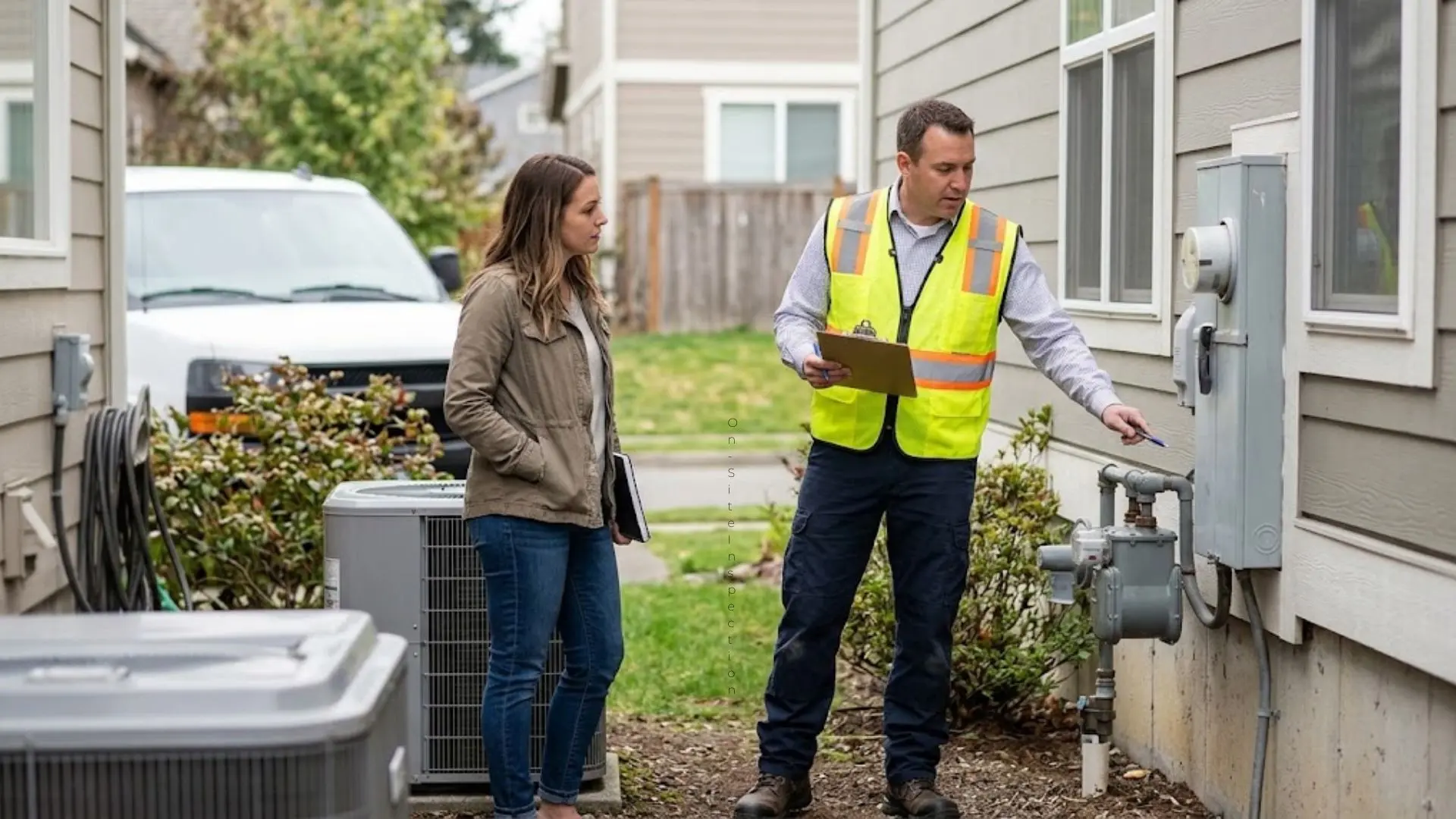
The on-site inspection is the core of the estimate. Our team walks the affected areas, traces the damage to its source where possible, and documents everything that will shape the recommended scope of work. A typical visit moves through several stages.
1. Initial Walkthrough and Source Identification
We start by reviewing the damage with you and tracing it back to a likely cause. Pinpointing the source matters because repairs that skip it tend to fail. A patched ceiling means little if the leak above it keeps dripping.
During the walkthrough, we listen to your account of what happened and when. That context, combined with what we see on site, helps us separate the original event from any secondary damage that followed. We note the affected rooms, materials involved, and anything that signals the problem has spread beyond the obvious area.
2. Checking for Hidden Moisture and Structural Concerns
Surface appearance can be misleading, so we look past it. Water often migrates into wall cavities, under flooring, and behind cabinets where it is not visible, and our inspection is designed to find those areas rather than assume they are dry.
We also assess the condition of affected building materials. Soft drywall, swollen baseboards, warped flooring, and compromised framing all point to how deep the damage runs. On storm-related calls, we check how water entered and whether the building envelope, such as the roof or windows, contributed. Identifying structural concerns early prevents surprises once repair work opens up a wall or floor.
Tools We Use to Measure Damage Accurately
Accurate estimates depend on measurement, not guesswork. Our team uses diagnostic tools to detect moisture and map the extent of an issue that the eye cannot confirm on its own.
Common equipment includes the following. Each helps turn a visual impression into documented findings.
- Moisture meters that read dampness inside drywall, wood, and flooring
- Thermal imaging cameras that reveal temperature differences linked to trapped moisture
- Visual inspection of affected materials, fixtures, and finishes
These tools let us distinguish a surface stain from an active, spreading moisture problem. That distinction directly affects the recommended scope, because drying and removing wet materials is very different from repainting a dry, stained ceiling. Measured data also gives you confidence that the estimate reflects real conditions rather than a rough guess.
Documenting Mold, Water, Fire, and Storm Damage
Different kinds of damage leave different signatures, and we document each one on its own terms. The inspection adapts to what we find rather than following a single rigid checklist.
Water damage shows up as staining, warping, soft materials, and elevated moisture readings. Mold often appears as discoloration or a musty odor and tends to follow prolonged dampness. Fire and smoke damage involve soot, charring, and odor that can penetrate materials well beyond the visibly burned area. Storm damage may combine water intrusion with wind or structural impact.
For each, we record what we observe with notes and photos so the written estimate reflects the full situation. Clear documentation also supports you later, whether you are reviewing options or working with an insurer. If your situation spans more than one category, such as storm water that led to mold, we account for the connected scope rather than treating issues in isolation.
Reviewing Your Written Estimate
After the inspection, we prepare a written estimate that outlines the damage we found and the work we recommend to restore the property. This document is yours to review at your own pace, ask questions about, and keep.
A good estimate should be understandable. We explain what each line item addresses and why it is included, so you are not left decoding unfamiliar terms. If parts of the scope depend on what we discover once repairs begin, such as hidden damage inside a wall, we tell you that upfront rather than after the fact.
You are never obligated to proceed immediately. The purpose of a free damage estimate is to give you accurate information for a confident decision. Take the time you need, and reach out if anything in the document is unclear.
How Insurance Can Factor Into Your Estimate
Many restoration projects involve a property insurance claim, and clear documentation helps that process go smoothly. Our detailed inspection notes and photos give you a factual record of the damage, which is often useful when you communicate with your insurer.
Every policy is different, and coverage depends on your specific terms, so we do not speak for your insurance company or promise what they will approve. What we can do is document the damage thoroughly and provide an estimate that reflects the work the property needs. That record puts you in a stronger position to discuss your claim.
If you are unsure whether to file a claim, an inspection still helps. Knowing the true scope of the damage lets you weigh your options before committing one way or the other.
What You Can Do Before We Arrive
A few simple steps before the inspection can protect your property and help the visit go efficiently. These focus on safety and on preserving the current state of the damage so our team sees it clearly.
Keep these points in mind while you wait for your appointment.
- Stay out of areas with standing water or any electrical hazard until it is safe
- Avoid running HVAC systems if you suspect mold, to limit spreading spores
- Do not throw away damaged items; our team may need to document them
- Take your own photos and note when the damage started, if you can do so safely
- Move valuables and important documents out of the affected area
If water is actively flowing, stopping the source where safe, such as shutting off a water supply valve, can prevent further damage. Beyond that, you do not need to repair or clean anything before we arrive. Leaving the damage as-is gives us the most accurate picture to work from.
Connecting Your Inspection to the Right Services
An estimate is the first step in a larger restoration process, and the inspection helps match your situation to the right work. Water intrusion may point toward structural drying and water damage restoration, while persistent dampness and musty odors often call for mold remediation.
Storm-related damage can involve both emergency response and longer-term reconstruction, and fire or smoke events typically combine cleanup, odor treatment, and rebuilding. Because our team handles restoration and construction work, the estimate can account for the full path from assessment to finished repairs rather than handing you off midway. If you want to understand how a specific service fits your situation, our team can walk you through the related restoration and reconstruction options during or after the inspection.
Frequently Asked Questions
Is the Damage Estimate Really Free?
Yes, our damage estimate is free. Our team inspects the affected area and provides a written assessment at no cost, so you can understand the scope before deciding whether to move forward with any repairs.
How Long Does an Inspection Take?
Inspection length depends on the size and complexity of the damage. A single affected room is usually quicker to assess than multi-room or whole-property damage, since we trace the source and check for hidden moisture throughout the impacted areas.
Do I Need to File an Insurance Claim First?
No, you do not need to file a claim before scheduling an inspection. Many owners get an estimate first to understand the damage, then use our documentation to help with their claim if they choose to file one.
What if the Damage Is Worse Than It Looks?
Hidden damage is common, which is exactly why we use moisture meters and thermal imaging. These tools help us detect trapped moisture and spreading problems behind walls and under floors so the estimate reflects the true condition.
Will I Be Pressured to Start Repairs Right Away?
No. The estimate is meant to inform your decision, not rush it. You can review the written document, ask questions, and take the time you need before deciding how you want to proceed.
Final Thoughts on a Free Damage Estimate in West Palm Beach, FL
A free damage estimate gives you the clarity to act with confidence: you learn what caused the damage, how far it has spread, and what restoring your property will involve, all in writing and at no cost. In a humid, storm-prone area like West Palm Beach, that measured assessment matters, because surface appearances rarely tell the whole story.
If you notice water stains, soft flooring, a musty smell, or storm-related damage, the practical move is to have it inspected before small problems grow. Our team at Titan Restoration Construction provides free damage estimates across the West Palm Beach, FL area, so reach out when you want an honest picture of what your property needs.
0 Comments